Health
St. Paul schools propose early retirements to avoid teacher cuts
By Marcus Chen
Advertisement · Why this ad?
Marcus manages the day-to-day editorial workflow across all brands, coordinating coverage assignments and ensuring editorial standards are met. He previously served as city editor at the Pioneer Press and holds a degree in Political Science from Carleton College.
More from Marcus →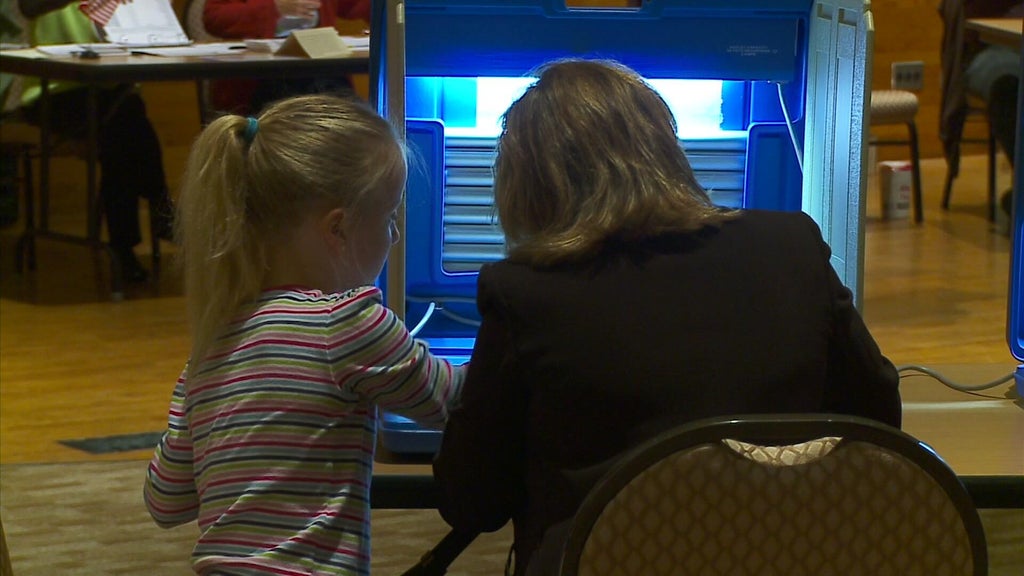
Minnesotans are embracing their civic duty with record early voting numbers, showcasing a profound commitment to participation in democracy. This vibrant engagement is palpable across our communities, from the bustling precincts of Minneapolis to the quiet neighborhoods of Edina, where residents consistently demonstrate strong civic involvement. Indeed, the numbers speak volumes: nearly 420,000 ballots have already been cast in the first five weeks of early voting, marking a significant increase from the 282,000 recorded during the same period four years prior. This surge in participation underscores a deeply rooted dedication to shaping our collective future, reflecting a statewide ethos of active citizenship.
This impressive turnout is not an anomaly but rather a continuation of Minnesota's long-standing tradition of robust civic engagement. Our state has consistently led the nation in voter participation, ranking No. 1 three times in recent general elections (2020, 2018, and 2016). We also secured the second spot in 2024 and third overall in 2022, a testament to a sustained, collective effort to make voices heard. This commitment transcends political affiliations, uniting citizens from diverse backgrounds in a shared purpose.
As Minnesota's Secretary of State, Steve Simon, aptly summarized, the reasons behind this exceptional performance boil down to two core elements: “One is really good laws, and the other is a really healthy, pro-voter culture.” This dual foundation of accessible legislation and a community-wide embrace of civic responsibility has fostered an environment where participation is not just encouraged, but expected, becoming an integral part of our shared identity.
The pride and unity felt by Minnesotans as they actively participate in shaping their future through voting are evident. It's a feeling that resonates deeply, knowing that each ballot cast contributes to the fabric of our society and strengthens the democratic process. This sense of shared ownership in governance is a cornerstone of our state's success, reflecting a populace deeply invested in the well-being of their communities and the future of their families.
A cornerstone of Minnesota's high voter turnout is its progressive and voter-friendly legislative framework. One of the most impactful laws, adopted way back in 1974, is same-day voter registration. Unlike many other states that require voters to register weeks, or even months, in advance, Minnesotans can register and cast their ballot on the very same day, eliminating a significant barrier to participation.
Secretary Simon highlighted this distinction, noting, “In most states to this day, that is their rule. Sometimes it's four weeks, sometimes it's even longer, creating unnecessary hurdles for engaged citizens.” This flexibility ensures that even those who are new to the state, or who have simply been too busy with family and work commitments, can still exercise their fundamental right to vote without undue burden. It speaks to a belief in the inherent value of every citizen's voice.
Beyond same-day registration, Minnesota has implemented several other forward-thinking policies that enhance accessibility and encourage participation. Automatic Voter Registration (AVR), enacted in 2023, is projected to add an estimated 300,000 new voters to the rolls over the next five years. This system streamlines the registration process, often integrating it with other state services, making it easier than ever for eligible citizens to become registered voters.
Furthermore, Minnesota allows for no-excuse absentee voting, meaning any registered voter can cast their ballot early by mail or in person without needing a specific reason. This flexibility is invaluable for busy parents, working professionals, and those with health considerations, ensuring that life's demands do not prevent civic engagement. Additionally, pre-registration for 16- and 17-year-olds introduces young people to the electoral process early, fostering a lifelong habit of participation and civic responsibility.
The emphasis on pre-registration for younger citizens is particularly noteworthy. By allowing 16- and 17-year-olds to pre-register, Minnesota is investing in the future of its democracy. This initiative helps young people engage early, understanding the importance of their role in the community before they even reach voting age. It instills a sense of responsibility and prepares them to be active, informed participants in the democratic process, ensuring that the values of civic duty are passed down through generations.
The impact of these accessible voting laws, coupled with a strong pro-voter culture, extends far beyond mere numbers. It cultivates a robust sense of community responsibility, strengthening the foundation of local governance. In places like Edina, this commitment to the democratic process ensures that community voices are heard on critical issues, from school funding and local infrastructure to city development and public safety. High participation reflects a deeply invested populace, eager to contribute to the common good.
This collective engagement reinforces the fabric of our communities, promoting stability and a shared vision for the future. When citizens actively participate in their government, it fosters an environment where families can thrive, knowing their concerns are addressed and their values represented. It’s a testament to the idea that a strong, engaged community is often one where traditional family values are upheld, and where the American dream of stable, loving households can flourish.
The commitment of Minnesotans to the democratic process is a source of immense pride. It’s a reflection of our state’s character—a character built on hard work, mutual respect, and a belief in the power of collective action. This spirit of unity, where voters from diverse backgrounds come together to exercise their fundamental rights, is what truly sets Minnesota apart.
As the election cycle progresses, the anticipation builds, with communities coming together to ensure their voices are heard. The continued high voter turnout in Minnesota serves as an inspiring example for other states, demonstrating the profound positive impact that thoughtful legislation and a culture of engagement can have on democratic participation. It underscores the importance of reducing barriers and actively encouraging every eligible citizen to participate in shaping their government.
The future for Minnesota appears bright, with a sustained commitment to civic engagement. The ongoing success of our voting systems offers valuable lessons for the nation, highlighting how accessible processes can lead to a more representative and responsive government. Organizations like the League of Women Voters Minnesota and national groups such as FairVote continue to advocate for policies that make voting easier and more equitable, building on the successes seen here.
We encourage all Minnesotans to stay informed about their voting rights and opportunities. Resources from the State of Minnesota, City of Edina, and national bodies like the U.S. Election Assistance Commission provide comprehensive information on how to register, where to vote, and what to expect. Every vote is a vital contribution to our shared future, and Minnesota stands as a shining example of a state where every voice truly counts.
This commitment to civic health is not just about elections; it's about fostering a society where individuals feel empowered, communities are strengthened, and the principles of self-governance are continually renewed. It's about ensuring that the next generation inherits a vibrant democracy, built on the active participation and shared values of its citizens. The lessons learned here in Minnesota offer a blueprint for a more engaged and resilient nation.
By Marcus Chen
By Katherine Langford

By Katherine Langford

By Marcus Chen